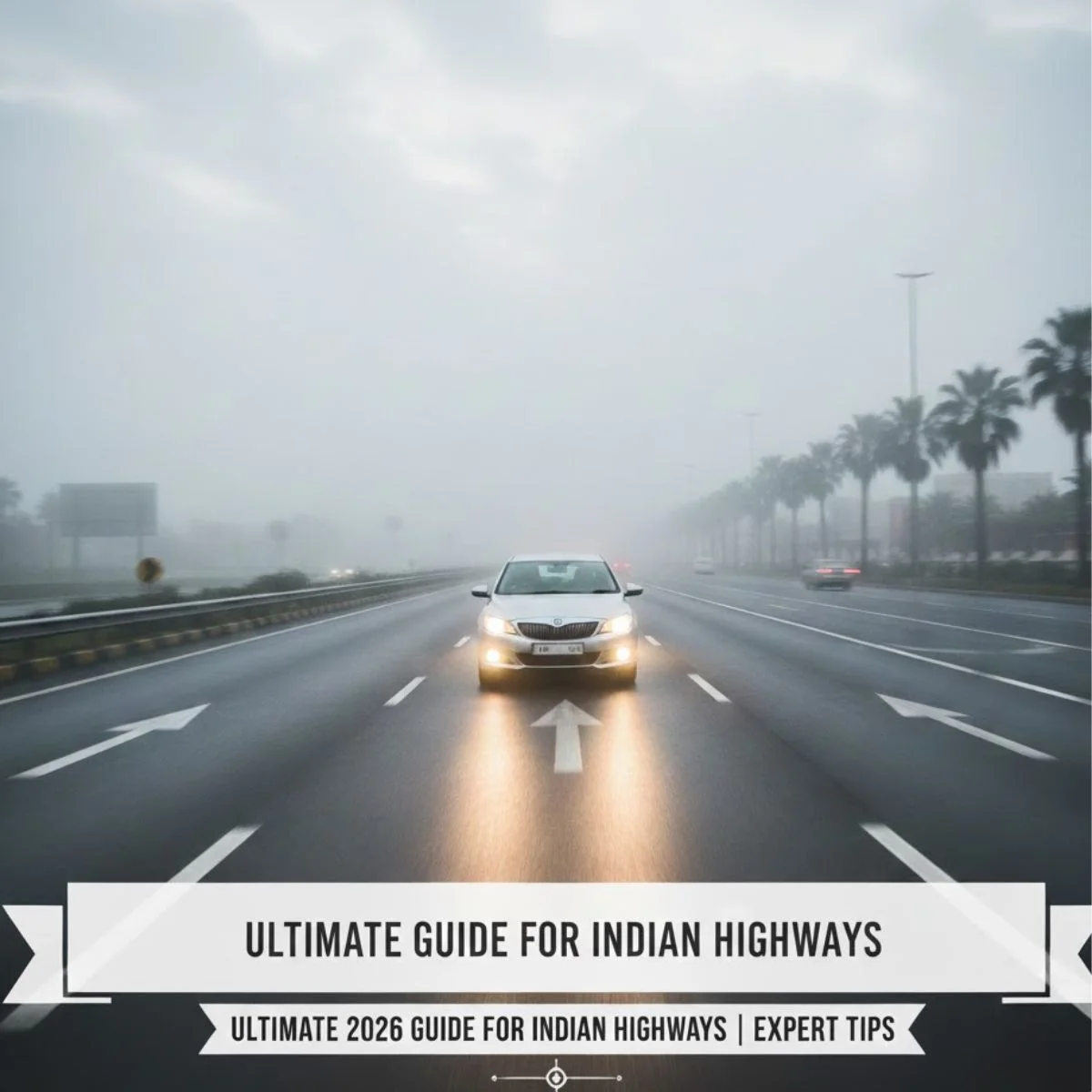
Dense fog poses a severe threat to drivers across India, especially during winter when low visibility triggers horrific multi-vehicle pile-ups, such as the recent tragedy on the Delhi-Agra Expressway claiming 13 lives. This comprehensive guide, inspired by expert forums and updated safety protocols, delivers actionable strategies to protect you and your loved ones on foggy roads. From vehicle checks to mental preparation, mastering these techniques ensures safer journeys amid India’s challenging weather.
The Science Behind Fog and Visibility Loss
Fog forms when air cools to its dew point, creating tiny water droplets that suspend in the atmosphere and scatter light rays. Unlike rain, which clears the air, fog absorbs headlights, reducing visibility to mere meters—often under 20m in dense conditions common in the Indo-Gangetic plains. This leads to optical illusions like the “Mandelbaum Effect,” where your eyes involuntarily focus on the fog layer 2-3 feet ahead, causing the road to vanish and depth perception to fail.
Psychologically, fog induces panic: adrenaline surges, prompting overcorrections or abrupt stops that cascade into collisions. Recent data from NHAI shows fog-related accidents spike 40% in December-January, with highways like Delhi-Mumbai Expressway witnessing deadly pile-ups due to tailgating at 80+ km/h. Understanding this interplay of physics and human error is crucial—fog doesn’t just obscure; it deceives, turning confident drivers into hazards.
Preparing Your Vehicle Before Foggy Drives
Prevention starts in the garage. Begin with a thorough exterior clean: wipe windshields, side mirrors, and rear glass using a vinegar-water mix (1:3 ratio) for streak-free clarity—no ammonia-based cleaners that attract dirt. Inspect wiper blades; replace if cracked, and fill the washer reservoir with a 50/50 antifreeze-soap solution to cut through grime without freezing.
Fog lights are non-negotiable—ensure front and rear units work, positioned low to illuminate the road surface rather than piercing fog. Test hazard lights, indicators, and brake lamps; a burnt-out bulb in fog spells disaster. Defog the interior proactively: set AC to recirculate cool air onto windows, avoiding heat that breeds condensation. Pack essentials: a high-lumen LED torch (avoid flickering types), woolen blankets, energy bars, water, and a first-aid kit. For Indian roads, add reflective triangles and a tow rope, as breakdowns amplify risks.
Tire check matters too—underinflated rubber slips on wet-foggy asphalt. Aim for 32-35 PSI cold, with tread depth over 1.6mm. Diesel vehicles fare better in cold, but ensure fuel filters are clean to prevent stalling.
Choosing and Using Lights Effectively
India’s fog demands precise lighting. Low beams scatter light downward, outlining the road; high beams create a blinding wall of reflection—switch them off immediately. Front fog lamps complement lows by hugging the ground; rear ones alert followers from afar. Myth-busting: yellow-tinted headlights or films don’t penetrate fog better; they merely alter color temperature without boosting range.
Hazard flashers tempt in zero visibility, but use only when stopped—flashing while moving mimics a breakdown, drawing tailgaters like moths. NHAI advises parking on the left shoulder with hazards on, engine running, and doors locked. In urban fog like Delhi’s, leverage sodium-vapor streetlights for orientation; on unlit highways, pulse your lights rhythmically to signal position without dazzling.
Core Driving Techniques for Foggy Conditions
Speed kills in fog—cap at 30-40 km/h on highways, 20 km/h in cities, regardless of the 100 km/h signpost. Triple your following distance: if normally 2 seconds behind, make it 6-10 seconds. Track the left road edge with peripheral vision; white lane markings become your lifeline.
Steer smoothly—no sharp turns. Brake gently and early, feathering the pedal to warn followers via taillights. Overtaking? Abort unless visibility exceeds 100m; sudden lane changes cause 60% of fog crashes. Use auditory cues: crack the window 2 inches to hear horns, engines, or skids. On multi-lane roads, hug the leftmost lane to avoid median drifts.
Gear selection: stay in a high gear for diesels to maintain torque without revving; automatics default to Drive, but manual downshifts prevent bogging. If lost, stop safely rather than speed to “catch up”—GPS glitches in fog, so rely on landmarks.
Advanced Precautions and Highway-Specific Tips
NHAI’s 2025-26 winter protocols shine here: variable message signs (VMS) flash fog warnings, speed cameras enforce 30 km/h zones, and “fog patrols” with illuminated batons guide traffic. Apps like “NHAI Sahyogi” provide real-time fog alerts; enable them pre-trip.
For two-wheelers, rare in heavy fog but common in India: wear reflective gear, use low beams, and pull over if visibility drops below 10m—bikes vanish quickest. Trucks and buses: drivers must activate convoy protocols, maintaining 50m gaps. In pile-ups, protocol is key: stay put with hazards flashing, call 112, and exit only rearward onto the shoulder—front exits risk oncoming traffic.
Regional tweaks: North India’s radiation fog lifts by 10 AM; avoid 5-9 AM drives. Monsoon-fog hybrids in Mumbai demand wipers plus defoggers. EVs benefit from instant torque but watch regenerative braking slips.
Mental and Emergency Strategies
Fog attacks the mind—combat “fog fatigue” with deep breaths, positive self-talk like “slow and steady.” Pre-plan routes via Google Maps’ fog overlays, inform family of ETAs, and travel in informed convoys using walkie-talkies. Emergencies: if stalled, place triangles 50m rearward; use torch to signal rescuers without exiting.
Post-incident: check for whiplash, report via e-Challan app for insurance. Long-term, advocate LED upgrades on highways—financial express notes NHAI’s push.
Vehicle Modifications for Frequent Fog Drivers
Budget upgrades pay off: OEM fog lamps (Rs 2,000-5,000), rain-sensing wipers (Rs 10,000), or aftermarket headlight washers. Clear bra films protect lenses; heated mirrors (Rs 3,000) banish blind spots. For Indore’s occasional fog, these suffice without overkill.
Drive Smart, Arrive Safe
Fog claims lives yearly, but armed with these expanded tactics—from science-backed prep to NHAI aids—you reclaim control. Share this guide, practice in light mist, and prioritize lives over lateness. Safe travels on India’s misty roads



Roadscoop editorial a team of is a passionate automotive enthusiasts and industry experts dedicated to bringing the latest news, trends, and insights to RoadScoop.com readers. With a keen eye for innovation and a deep understanding of the automotive world, we covers everything from car reviews and maintenance tips to industry updates and market trends.