
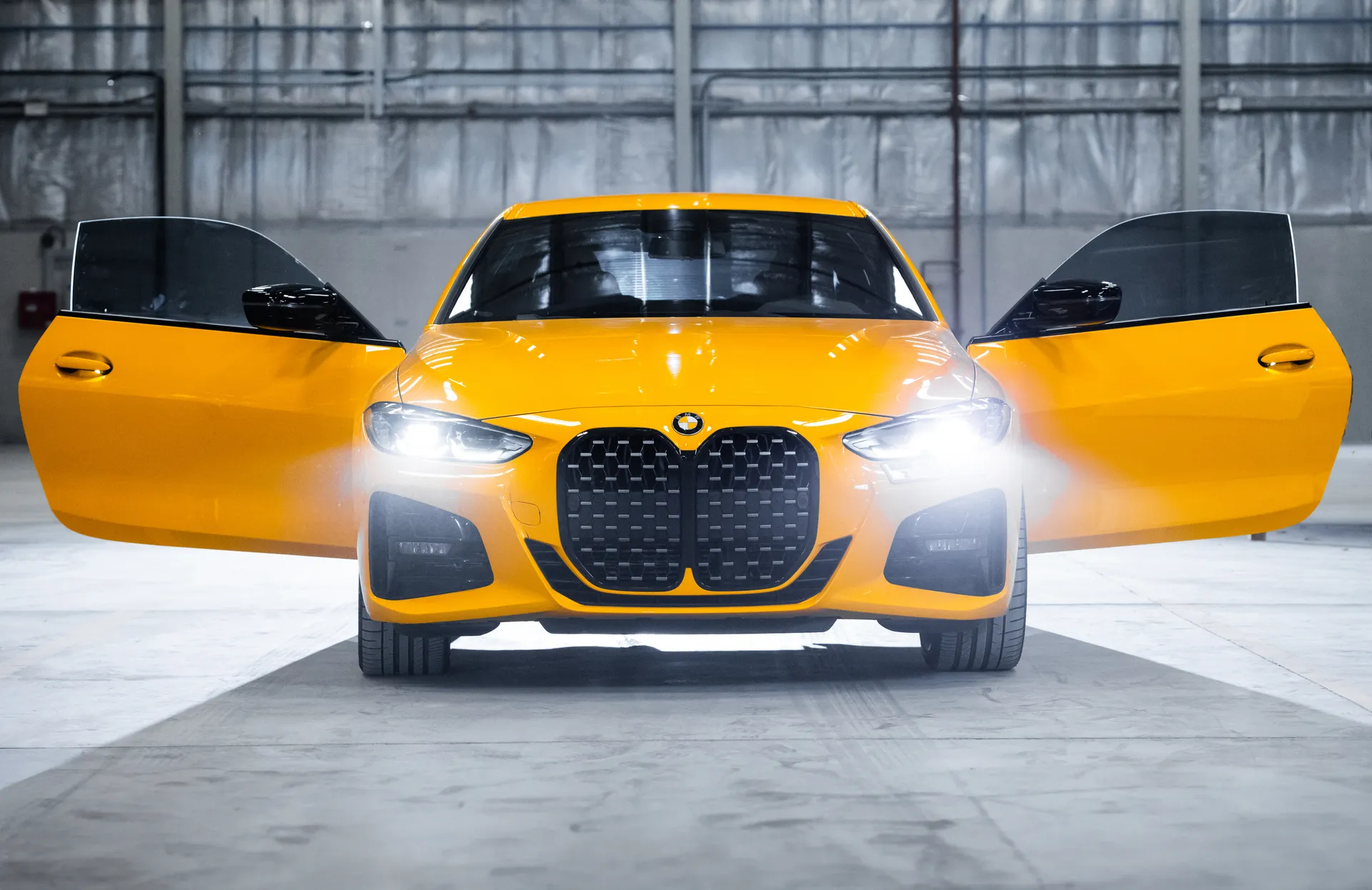
The Supreme Court of India has sparked a fresh debate by suggesting a phased ban on luxury petrol and diesel cars — a move aimed at accelerating the country’s transition to electric vehicles (EVs). But what exactly did the court say, and how big an impact could this have? Let’s unpack the implications.
What Did the Court Propose?
During a recent hearing of a public interest petition, a bench comprising Justices Surya Kant and Joymalya Bagchi proposed that very high-end petrol and diesel cars could be restricted in stages. NDTV India ,India Today
The reasoning is twofold:
- Affluent Niche: These luxury internal combustion engine (ICE) vehicles cater to a small, wealthy segment. According to the court, banning them won’t hurt the “common man.” India Today
- EV Alternatives Are Ready: The court observed that India’s EV market already offers large, premium models that match these luxury ICE cars in comfort and capacity. India Today
As a pilot measure, the judges suggested starting with these high-end petrol/diesel vehicles. Over time, as EV adoption grows, the restriction could expand. NDTV India
Why Is This Suggestion Coming Now?
The court made this proposal in the context of evaluating India’s existing EV policies. There is a push to make these policies more effective and enforceable. AajTak
Additionally, there are concerns about infrastructure: for EVs to become mainstream, charging stations must increase. The bench argued that as EV numbers go up, demand for charging will naturally rise, which could in turn boost the build-out of infrastructure. NDTV India
How Many Cars Would Be Affected?
- The market share of luxury cars in India remains very small — about 1% of total passenger vehicle sales, according to reports. AajTak
- Within this niche, big brands like Mercedes-Benz, BMW, Jaguar Land Rover, and Audi would be most affected, especially their petrol and diesel models. AajTak
- Interestingly, in the luxury EV segment, adoption is already around 12%, while in the broader market, EVs make up only about 2–3%. AajTak
So, although the number of cars directly impacted would not be massive, the symbolic and policy impact could be significant.
What About Old Petrol-Diesel Cars?
It’s worth noting that this proposed ban is not about old petrol or diesel vehicles. In fact, the Supreme Court recently clarified that it does not intend to take coercive action for older vehicles in certain regions. NDTV MPCG
So this new suggestion is targeted, not a blanket scrapping policy.
Government Response
- The Attorney General, representing the Center, stated that the government is “alive to the idea” and that 13 ministries are coordinating on EV policy, infrastructure, incentives, and fleet electrification. India Today
- The court has asked the Center to submit a detailed status report on all EV-related policies, notifications, and progress. NDTV India
- No final decision or fixed timeline has been announced yet. It remains a proposal at this stage. AajTak
Potential Impacts & Challenges
- Environmental Impact: If implemented, the suggestion could help reduce emissions from a particularly polluting subset of vehicles — high-powered ICE cars.
- Market Shift: Luxury car buyers may shift more aggressively toward EVs, which could accelerate EV adoption in the premium segment.
- Infrastructure Pressure: To make this transition sustainable, charging infrastructure needs to scale rapidly — which is easier said than done.
- Industry Response: Automakers in the luxury ICE segment might need to rework their strategies, pushing more EV models or phasing out certain ICE variants.
- Public Acceptance: While the court argues the ban affects only a small wealthy slice, resistance could still emerge from car owners, especially those emotionally or financially invested in ICE luxury cars.
The Supreme Court’s suggestion to phase out luxury petrol-diesel vehicles is more than just a policy nudge — it’s a signal that India’s EV journey could get more serious and targeted. By focusing first on the top end of the market, the court aims to mitigate political risk, encourage EV adoption among the wealthiest, and gradually shift cultural preferences. Whether this becomes a law or remains a strong recommendation depends on the government’s response and how the EV ecosystem scales in the coming years.



Roadscoop editorial a team of is a passionate automotive enthusiasts and industry experts dedicated to bringing the latest news, trends, and insights to RoadScoop.com readers. With a keen eye for innovation and a deep understanding of the automotive world, we covers everything from car reviews and maintenance tips to industry updates and market trends.