
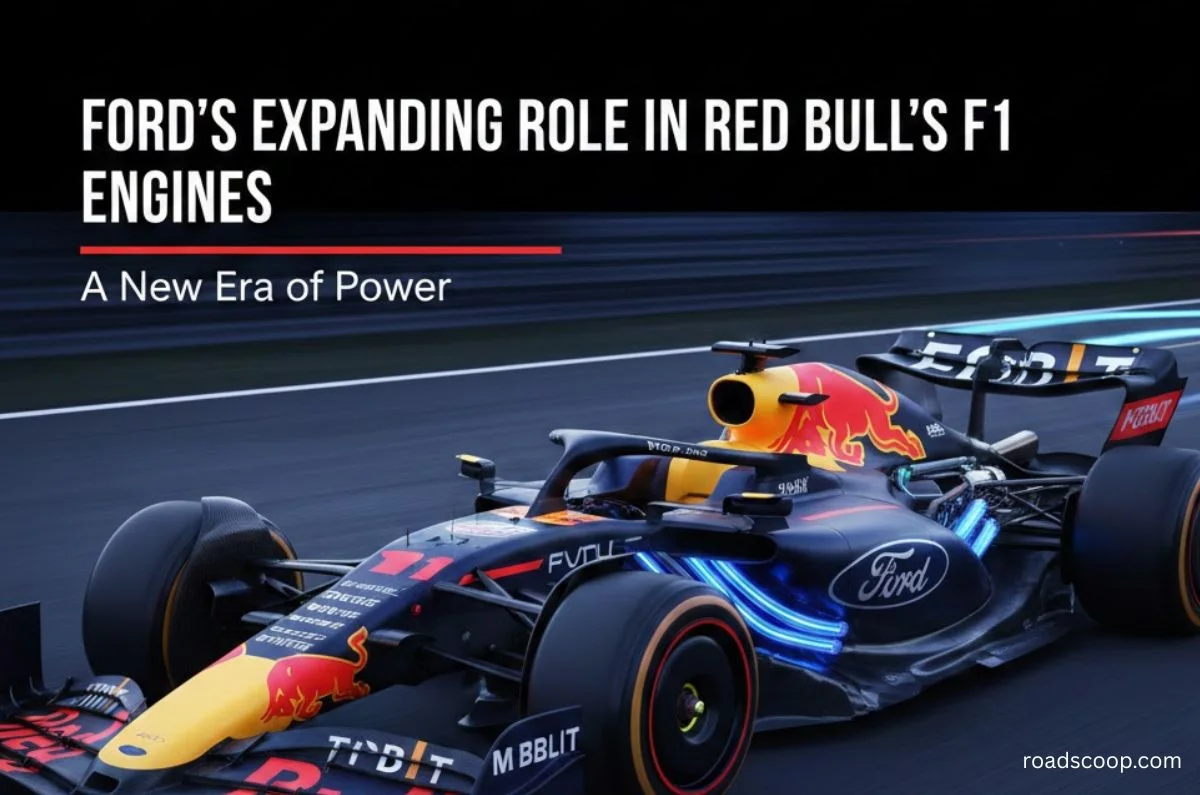
When Formula 1 fans first heard about the Ford-Red Bull team-up back in 2022, many thought it was mostly about branding and electric tech help. But now, as we sit here in January 2026, reports show Ford’s role has grown much bigger. This shift comes just as the new power unit rules kick in, making every bit of engine know-how a key to winning races. A deeper partnership like this could help Red Bull stay ahead after losing Honda. It raises big questions: How much is Ford really building into these engines? And what does it mean for the rest of the grid?
Initial Expectations vs. The Reality of Ford’s Technical Contribution
Defining the Original Scope of the 2026 Collaboration
The deal started simple. Ford planned to lend its skills in batteries and electric motors for the 2026 season. Teams expected marketing boosts too, like Ford logos on cars. Red Bull Powertrains (RBPT) would handle the main engine work in-house.
This setup fit F1’s push for more green tech. The rules demand half the power from electric sources. Ford’s EV experience from road cars seemed like a smart add-on. But early on, no one talked about Ford touching the gas engine parts.
Evidence of Deeper Integration Beyond Marketing Support
New details from motorsport reports paint a different picture. Ford now helps with core parts of the power unit, not just electrics. Sources say they input on the internal combustion engine (ICE) design. This goes way past initial plans.
For example, Ford shares data on hybrid systems. They test components together at shared labs. This teamwork speeds up fixes for tough spots in the new rules. It’s clear Ford stepped up when RBPT needed extra hands.
Analyzing the Timeline and Regulatory Triggers for Increased Involvement
The 2026 rules froze development paths early. Teams had to lock in designs by late 2025. Red Bull faced tight deadlines with their new engine base.
Ford saw the pressure and jumped in deeper. New fuel rules, all sustainable, added complexity. Deadlines forced quick shares of tech secrets. This timing shows how regs push partners to blend efforts more.
Core Technical Focus Areas Under Ford’s Increased Mandate
Electric Motor and Battery Technology: Where Ford’s Expertise is Crucial
Ford shines in electric drive parts. They bring know-how from Mustang Mach-E batteries to F1’s MGU-K system. This motor will deliver 350 kW bursts under new rules.
Their role covers battery packs that store energy from braking. Ford tweaks management software for faster charges. Lessons from street EVs make these systems lighter and tougher.
Think of it like upgrading a bike battery for a race. Ford’s input ensures the electric side packs a punch without failing mid-lap.
The Internal Combustion Engine (ICE) Element and Fuel Strategy Support
Ford now aids the ICE, which must run on 100% green fuel. They offer simulation tools to test burn efficiency. This helps Red Bull cut waste and boost power.
Material tips from Ford’s truck engines add strength. They model how fuels react in high-heat conditions. Such help refines the 400 kW ICE target.
Without this, RBPT might lag. Ford’s push makes the whole hybrid unit work smooth.
Infrastructure Development at the Red Bull Powertrains Facility
Ford invests in Red Bull’s Milton Keynes site. They fund dynos that mimic track loads for engine tests. These rigs spin units to 15,000 RPM safely.
New labs get Ford’s testing gear for hybrid checks. This setup cuts travel time for joint work. The campus now feels like a shared hub.
Such builds speed prototype runs. By mid-2025, they hit key milestones thanks to this.
Strategic Implications for Red Bull Powertrains (RBPT)
Mitigating Internal Development Risks Through External Partnership
Building engines from zero is risky for Red Bull. They started RBPT in 2024 with few experts. Ford’s deeper help lowers those odds.
It brings proven methods to avoid early flops. RBPT now meets roadmap goals, like first full runs in 2025. This partnership acts as a safety net.
Red Bull gains speed without full solo strain. It’s like having a coach for a new team.
Access to Advanced Manufacturing and Global Engineering Resources
Ford’s factories span the globe. They supply precision parts for F1’s tight tolerances. RBPT taps this for quick scaling.
Engineers from Dearborn join Milton Keynes sessions. This mix sparks fresh ideas. Ford’s scale means better costs for rare materials.
Compared to going alone, it’s a big win. Red Bull builds faster with these resources.
Comparing the Red Bull-Ford Model to Established Manufacturer Partnerships
Look at Mercedes and Petronas. They focus on fuels, not full engines. Red Bull-Ford blends both worlds.
This hybrid style shares risks and gains. Unlike old supplier deals, it’s hands-on from day one. It fits F1’s team-up trend.
Red Bull gets full-cycle support. This sets them apart from pure in-house efforts.
Competitive Landscape Shift: Impact on Rivals Heading into 2026
Threat Assessment for Current Power Unit Suppliers (Ferrari, Mercedes, Honda)
A strong Red Bull-Ford engine shakes things up. Ferrari and Mercedes hold edges now, but new rules level the field. Red Bull aims for 10% more power density.
Projections show their hybrid could match top outputs. Honda, tying with Aston Martin, watches close. This duo might steal podiums early.
Rivals ramp up spies and tests. The grid feels tighter.
The Porsche Factor and Ford’s Position in the VW Group Ecosystem
Porsche eyed F1 but backed out. Ford, as a U.S. giant, fills that spot. No direct VW ties, but both chase green auto trends.
Ford’s F1 move boosts its EV image. It stands alone against German heavyweights. This positions them bold in racing.
Benchmarking Against New Entrants Utilizing Similar Partnership Structures
Audi enters with Sauber in 2026, mixing in-house and buys. Their setup mirrors Red Bull’s blend. Both use auto muscle for quick starts.
Red Bull-Ford edges with racing history. Audi focuses on full control later. These models show F1 welcomes team-ups.
Future teams might copy this for survival.
Conclusion: The Future Trajectory of the Ford-Red Bull Alliance
The Ford-Red Bull link started small but grew vital. Reports confirm Ford’s hand in ICE, electrics, and more. This full integration arms RBPT against tough odds.
As 2026 races begin, Red Bull eyes top spots post-Honda. The partnership proves key to that goal. It blends auto smarts with F1 drive for real wins.
Watch how this plays out on track. It could redefine engine wars.
Key Takeaways
- Ford shifts from electric focus to full power unit help.
- This cuts risks for RBPT’s fresh start.
- The team-up aims for instant fights at the front in 2026.



Roadscoop editorial a team of is a passionate automotive enthusiasts and industry experts dedicated to bringing the latest news, trends, and insights to RoadScoop.com readers. With a keen eye for innovation and a deep understanding of the automotive world, we covers everything from car reviews and maintenance tips to industry updates and market trends.